
Gemstones have captivated humanity for centuries, and their allure remains undiminished. While natural gemstones like diamonds, rubies, and sapphires are revered for their rarity and natural beauty, there’s another gemstone that has been making waves in the world of jewelry: cubic zirconia. Often referred to as “CZ,” cubic zirconia is admired for its striking resemblance to diamonds and affordability. But how are these dazzling gemstones created? In this exploration of the science behind cubic zirconia production, we’ll delve into the fascinating process that transforms common materials into brilliant, sparkling gems.
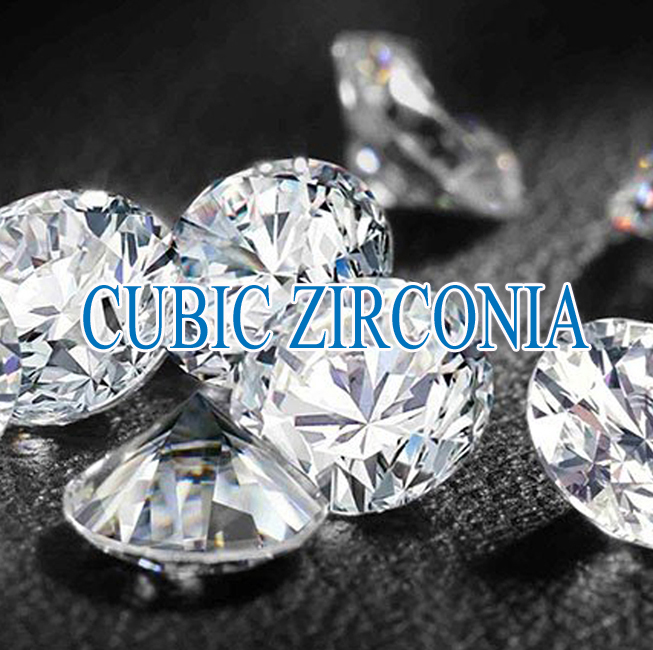
THE BIRTH OF CUBIC ZIRCONIA
Cubic zirconia is a man-made gemstone, and its journey begins with some of the Earth’s most abundant elements: zirconium and oxygen. These elements, when skillfully combined and subjected to controlled conditions, result in a gemstone that rivals the beauty of natural diamonds.
Step 1: Sourcing Raw Materials
The first step in the production of cubic zirconia is sourcing the raw materials. Zirconium oxide, often known as zirconia, serves as the primary component. Zirconium is typically derived from zirconium-bearing minerals like zircon, while oxygen can be sourced from air or oxygen gas.
Step 2: Melting Zirconia Powder
The zirconium oxide is transformed into a fine powder, which is then subjected to intense heat, often in electric arc furnaces or other specialized equipment. This process, known as sintering, involves heating the zirconia powder to temperatures exceeding 4,982°F (2,750°C). At such high temperatures, the powder melts and fuses into a crystalline structure.
Step 3: Formation of Single Crystals
Cubic zirconia is prized for its clarity and brilliance, and achieving these qualities requires the formation of single crystals. To achieve this, the molten zirconia is carefully cooled at a controlled rate. This controlled cooling allows crystals to grow, resulting in a single crystal structure similar to that found in natural gemstones.
IMPURITIES AND COLORATION
In its pure form, cubic zirconia is colorless, similar to a diamond. However, gemstone enthusiasts often seek colored cubic zirconia to mimic other gemstones like sapphires or emeralds. Achieving these colors requires the introduction of specific metallic oxides or other compounds during the crystallization process. For instance, the addition of chromium creates a red hue, while cobalt produces blue cubic zirconia.
CUTTING AND POLISHING
Once the cubic zirconia crystals have formed, they are cut and polished to unleash their true brilliance. This stage requires the expertise of skilled gem cutters who carefully shape the rough crystals into a variety of shapes, including round brilliant, princess, emerald, and more.
Step 1: Preforming
Preforming involves cutting the cubic zirconia crystal into a basic shape that closely resembles the final desired gemstone. This is done to minimize waste and maximize the yield from each crystal.
Step 2: Faceting
Faceting is where the magic truly happens. Gem cutters use precision instruments to cut and polish the facets, or flat surfaces, onto the cubic zirconia. The number and arrangement of facets depend on the desired shape and cut of the gemstone. It is during this stage that the gem begins to sparkle and refract light, creating its characteristic brilliance.
Step 3: Polishing
After faceting, the gem undergoes a meticulous polishing process. This enhances its luster and ensures that all facets are smooth and reflective, resulting in a dazzling finish.
QUALITY CONTROL AND GRADING
Cubic zirconia, like any gemstone, undergoes rigorous quality control measures to ensure that it meets certain standards. Gemologists and experts evaluate the gemstone based on various factors, including clarity, color, cut, and carat weight.
Clarity: Gemologists inspect cubic zirconia for any internal or external imperfections, also known as inclusions. The fewer inclusions a cubic zirconia has, the higher its clarity grade.
Color: As mentioned earlier, cubic zirconia can be produced in a wide range of colors, each of which is graded based on its intensity and purity.
Cut: The precision of the gem’s cut significantly affects its brilliance and overall aesthetic. Well-cut cubic zirconia gemstones receive higher grades.Carat Weight: Like other gemstones, cubic zirconia is measured in carats. Larger stones tend to be more valuable, assuming all other factors are equal.
APPLICATIONS OF CUBIC ZIRCONIA
Cubic zirconia’s beauty and affordability make it a versatile gemstone with a wide range of applications:
1. Jewelry: Cubic zirconia is commonly used in rings, earrings, necklaces, and bracelets. It serves as an excellent diamond alternative, allowing people to enjoy the look of a diamond without the hefty price tag.
2. Fashion: The affordability of cubic zirconia makes it an ideal choice for fashion jewelry, where trends change rapidly, and versatility is key.
3. Engagement Rings: Many couples choose cubic zirconia engagement rings as an affordable yet stunning option. These rings can be easily replaced with a diamond ring in the future if desired.
4. Education and Research: Due to its diamond-like characteristics, cubic zirconia is often used as a teaching tool for gemology students. It allows them to practice grading and identifying gemstones without the cost associated with real diamonds.
THE SUSTAINABILITY ADVANTAGE
In addition to its affordability and beauty, cubic zirconia offers a sustainability advantage over natural gemstones. Mining natural gemstones can have significant environmental and ethical implications, including habitat destruction and exploitation of labor. In contrast, cubic zirconia production is controlled and efficient, reducing its environmental footprint.
CONCLUSION
Cubic zirconia, a remarkable product of scientific ingenuity and artistry, stands as a testament to humanity’s ability to harness the forces of nature to create beauty. Its journey from raw materials to brilliantly faceted gemstones is a testament to the fusion of science and craftsmanship. As you admire the sparkle and elegance of a cubic zirconia jewelry piece, you can appreciate the scientific precision and artistry that went into its creation. Whether as a diamond alternative, a fashion statement, or an educational tool, cubic zirconia has found its place in the world of gemstones, offering a bridge between beauty and affordability.


Leave a comment